 AI Ed
AI Ed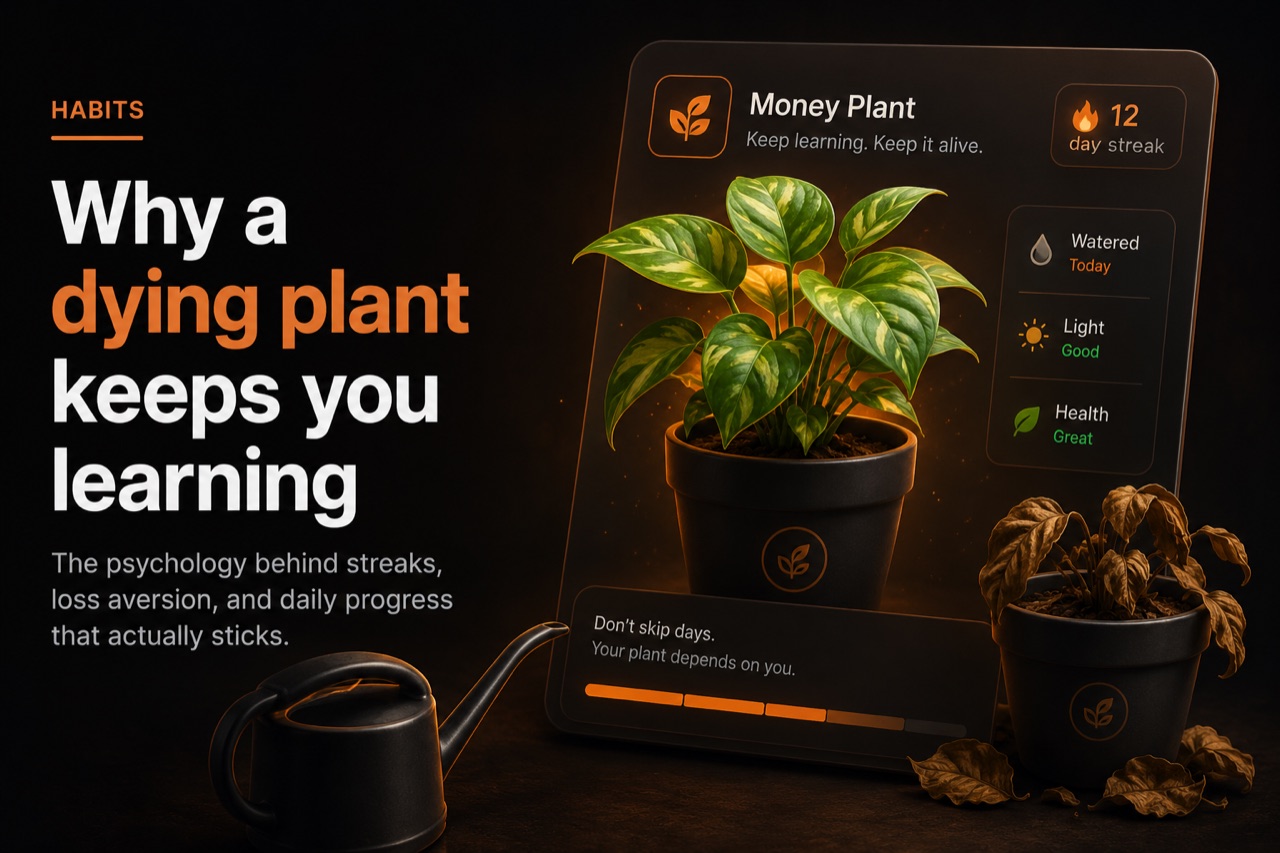
Habits
Why 90% Quit Online AI Courses - And How to Finish Yours
You finally carved out some time. You opened the browser, navigated to the online AI course you bought months ago, and stared at the module list. Module 3 of 12. A pang of guilt. You close the tab. Sound familiar?
It's a common story. Online education promises flexibility and access, but the reality for many is a graveyard of unfinished courses. Especially in fast-moving fields like AI and machine learning, where new information emerges constantly, it's easy to get overwhelmed and fall behind.
Studies show completion rates for massive open online courses (MOOCs) can be as low as 5% to 15%. This means for every 100 people who sign up, 90 or more never see it through to the end. But why do so many motivated learners start with enthusiasm only to abandon their progress?
The Hidden Hurdles of Online Learning
The reasons for high dropout rates are not about intelligence or capability. They're often about structure, time, and human psychology.
1. The Time Trap: Too Long, Too Infrequent
Many online courses are designed as desktop experiences, with video lectures stretching 45 minutes or an hour. While comprehensive, fitting these into a busy day is a challenge. Life intervenes. Work meetings, family commitments, unexpected errands - these all chip away at dedicated study blocks. What starts as a plan for an hour a day quickly becomes an hour a week, then an hour a month, until the course is forgotten.
2. The Accountability Gap: No One's Watching
Unlike a traditional classroom, online learning often lacks immediate accountability. There's no professor taking attendance, no peer group working on projects together, and often no hard deadlines that truly matter until the very end. The self-paced model, while attractive, can quickly become 'no-paced' when motivation wanes.
3. The Overwhelm Factor: Drinking from a Firehose
AI and machine learning are complex subjects. Many courses pack a huge amount of information into each module, assuming learners have large, uninterrupted blocks of time to digest it. This can lead to cognitive overload. When you feel like you're constantly struggling to keep up, it's easy to get discouraged and give up.
4. The Invisible Progress: No Visible Wins
We are wired for progress. We need to see that our efforts are leading somewhere. Traditional courses have grades, exams, and clear milestones. Many online courses, however, offer little in the way of immediate, visible feedback or rewards for daily effort. It's hard to stay motivated when you don't feel like you're making tangible strides.
"The biggest barrier to finishing an online course isn't lack of ability, but lack of a system that fits your life."
Where Traditional Platforms Fall Short
It's important to acknowledge the strengths of established platforms, but also their limitations when it comes to completion rates.
- Coursera and edX: These platforms offer incredible depth and university-branded courses. They are excellent for those who need in-depth academic rigor. However, their model of long courses, often 6 weeks or more, with 10-hour weekly commitments, often leads to the high 5-10% completion rates we discussed earlier. They are built for a different kind of learner and a different schedule.
- DataCamp: Strong for interactive, in-browser data science skills. It's fantastic for hands-on coding practice. But DataCamp is primarily a desktop experience, designed for users at a keyboard for extended periods. It doesn't cater to the mobile-first, daily habit learner who needs to fit learning into short breaks throughout their day.
- Brilliant: Brilliant excels at gamified STEM education, making complex topics engaging. They've done a great job with daily habits. However, Brilliant's scope is broad STEM. It doesn't focus specifically on the rapidly evolving fields of AI, machine learning, and Claude Code, nor does it offer the specific certificate pathways that many professionals seek in these areas.
How to Be the 10% Who Finish (and Thrive)
Becoming one of the few who complete online courses isn't about having more willpower. It's about building a better system.
1. Break Down the Big Goal into Tiny Steps
Instead of aiming for a 45-minute lecture, aim for a five-minute concept. Learning happens best in small, digestible chunks. This reduces the mental barrier to starting and makes it easier to fit into gaps in your day. Think about how you might build a learning habit with micro-lessons.
2. Prioritize Consistency Over Intensity
A little bit every day beats a lot once a month. The human brain learns through repetition and consistent exposure. Establishing a daily habit, even a short one, helps solidify knowledge and keeps momentum going. This is the core idea behind the power of streaks.
3. Find Your Accountability Partner (or System)
Whether it's a friend, a mentor, or an app, having something that holds you accountable dramatically increases your chances of success. External motivators can kickstart your internal drive on days when you feel less enthusiastic.
4. Make Progress Visible and Rewarding
Seeing your accomplishments, no matter how small, is a powerful motivator. A visual representation of your learning streak, badges, or certificates provide tangible proof of your effort and progress. This helps combat the feeling of invisible progress and keeps you engaged.
5. Embrace Active, Not Passive, Learning
Watching videos is passive. Engaging with quizzes, coding challenges, and interactive exercises is active. Active learning improves retention and makes the process more engaging. Look for courses that prioritize doing over just watching.
AI Ed: Built for Completion
At AI Ed, we understand these challenges because we've experienced them ourselves. That's why we designed our platform to directly address the reasons people quit. We focus on Five-minute lessons that fit a real day, not 45-minute desktop courses you abandon. Our app is built mobile-first, so you can learn anytime, anywhere.
We integrate a visible streak system - a plant that grows when you learn and wilts when you skip - providing immediate, tangible feedback on your consistency. This visual progress, combined with clear pathways to earn certificates in AI, machine learning, and Claude Code, gives you the structure and motivation you need to succeed.
We believe that learning AI shouldn't feel like a marathon, but a series of achievable, rewarding steps. For those motivated but time-poor and burned by low-completion courses, AI Ed offers structure, accountability, and visible progress, without another 20-hour video backlog. It's how you become one of the 10%.
Start building your AI knowledge today with five-minute daily lessons, grow your plant streak, and earn certificates with AI Ed: Download AI Ed now.