 AI Ed
AI Ed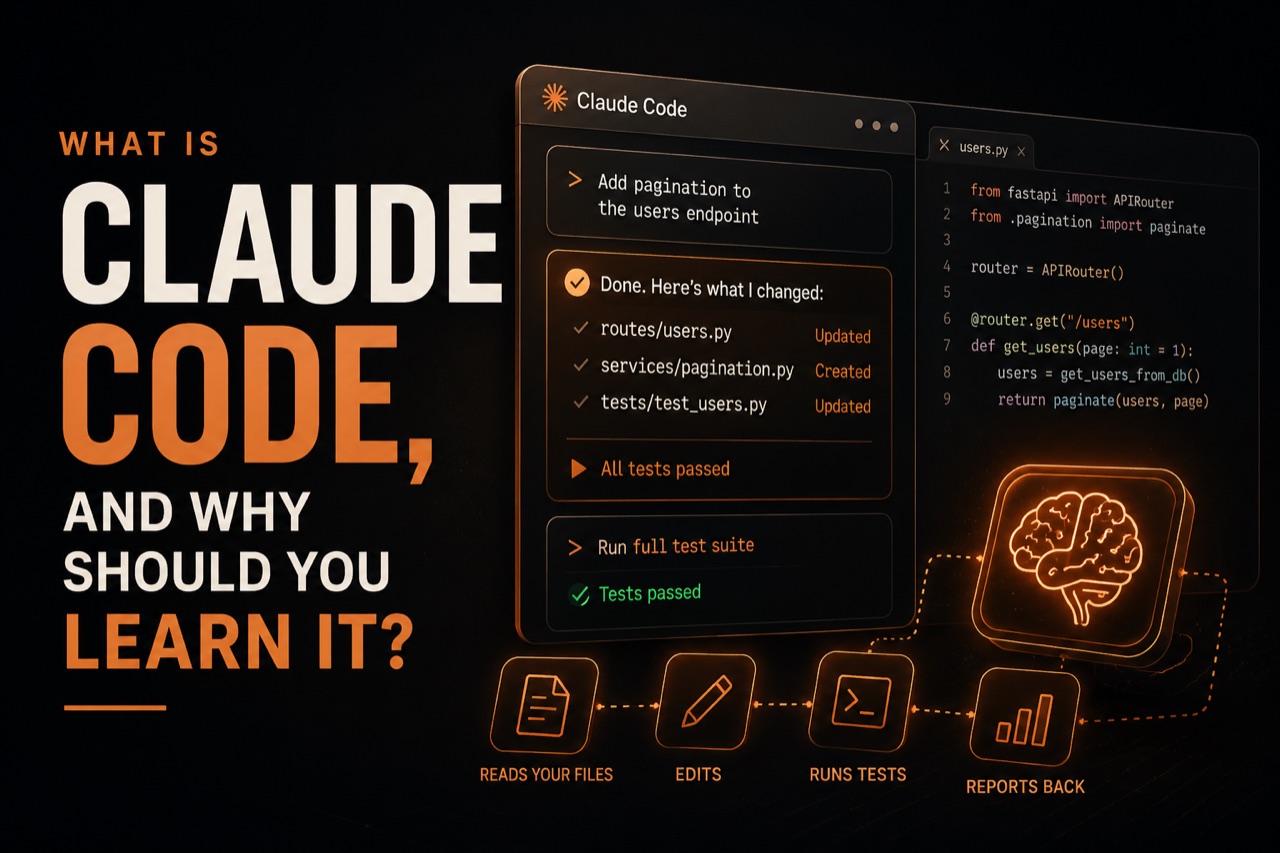
Claude Code
What is Claude Code, and How Do You Start Learning It?
Imagine you're trying to explain a complex recipe to a new chef. You can't just list ingredients; you need to provide clear instructions, explain techniques, and anticipate potential misunderstandings. Interacting with an AI model like Claude is similar. You're not just typing questions; you're providing instructions, context, and constraints to guide its responses. This art and science is what we call 'Claude Code'.
What Exactly is Claude Code?
When we talk about 'Claude Code', we're not referring to a new programming language like Python or Java. Instead, it's a practical term that encompasses the skills and techniques needed to effectively communicate with and program large language models (LLMs) like Anthropic's Claude. It's about understanding how these powerful AIs process information and how you can structure your inputs to achieve predictable, useful outputs.
Think of it as the 'human-computer interface' for modern AI. It involves:
- Prompt Engineering: This is the core skill. It's about crafting clear, concise, and effective prompts that guide Claude to perform specific tasks, generate desired text, or answer questions accurately. It includes techniques like providing examples, specifying roles, setting constraints, and iterating on prompts.
- API Interaction: For developers, Claude Code also means knowing how to integrate Claude into applications using its Application Programming Interface (API). This involves understanding how to send requests, handle responses, and manage various parameters programmatically.
- Understanding Model Capabilities and Limitations: Knowing what Claude can and cannot do, its strengths in certain tasks (like summarization or creative writing), and its potential for 'hallucinations' or biases.
- Iterative Refinement: The process of testing, evaluating, and refining your prompts or code based on Claude's responses to get closer to the desired outcome.
In essence, Claude Code is about mastering the conversation with AI, whether you're a casual user looking for better answers or a developer building AI-powered tools.
Why Learn Claude Code?
The rise of generative AI has made understanding how to interact with these models a critical skill across many professions. Learning Claude Code offers several benefits:
- Boost Productivity: Get better, faster results from AI tools, saving you time on research, writing, and problem-solving.
- Unlock New Capabilities: Move beyond basic questions to build complex workflows, automate tasks, and create innovative applications.
- Career Advancement: As AI becomes more integrated into workplaces, professionals who can effectively work with LLMs will be in high demand.
- Deeper Understanding of AI: Learning Claude Code provides practical insight into how AI models function, their underlying logic, and their potential impact on society.
"The future of work isn't just about using AI, it's about knowing how to speak its language."
The Challenge of Learning Modern AI Skills
Many motivated individuals want to learn AI skills like Claude Code, but they often face significant hurdles. Traditional online courses, while comprehensive, can be lengthy. Imagine committing to a 45-minute video lecture every day, or a 6-week program, on top of your existing responsibilities. The reality for many is that these courses become yet another item on a growing 'to-do' list, leading to low completion rates, sometimes as low as 5-15%.
People are often burned by starting courses they never finish. They want structure, accountability, and visible progress, but struggle to find learning paths that fit their real-world schedules.
How to Start Learning Claude Code Effectively
Starting your journey with Claude Code can be straightforward if you focus on practical application and consistent learning.
1. Understand the Basics of LLMs
Before diving into specific prompts, it helps to have a foundational understanding of what LLMs are and how they work. You don't need a Ph.D. in machine learning, but knowing concepts like 'tokens', 'context window', and 'transformer architecture' can make your prompt engineering more informed. Many online resources and introductory articles can provide this overview.
For example, Anthropic's own documentation is an excellent place to start to understand the specifics of Claude's design and capabilities: Anthropic Claude Documentation.
2. Master Prompt Engineering
This is where you'll spend most of your time. Prompt engineering is not just about asking questions, but about designing effective inputs. Here are some key techniques:
- Clarity and Specificity: Be explicit about what you want. Avoid vague language.
- Role-Playing: Assign Claude a persona (e.g., "You are a senior marketing manager...") to influence its tone and perspective.
- Examples (Few-Shot Prompting): Provide 1-2 examples of desired input/output pairs to guide the model.
- Constraints: Tell Claude what to avoid, what format to use, or what length to aim for.
- Chain-of-Thought Prompting: Ask Claude to "think step-by-step" or explain its reasoning to improve accuracy on complex tasks.
There are many communities and resources dedicated to prompt engineering that you can explore to see examples and best practices, such as those found in official AI research blogs or communities like Prompt Engineering Guide.
3. Experiment with the API (for Developers)
If you're a developer, getting hands-on with the Claude API is crucial. This means setting up an API key, sending requests programmatically (often using Python libraries), and parsing the responses. Start with simple tasks like sending a basic text completion request and gradually build up to more complex interactions.
4. Build Small Projects
The best way to learn is by doing. Instead of just reading about Claude Code, apply it. Try building a small application that:
- Summarizes articles for you.
- Generates creative writing prompts.
- Helps you draft emails.
- Translates technical jargon into plain English.
These small projects provide immediate feedback and solidify your understanding.
Comparing Learning Paths for Claude Code
When it comes to learning AI skills, you have several options, each with its own strengths:
Coursera
Coursera offers deep, university-branded courses. They provide extensive theoretical knowledge and often cover a broad range of topics. However, these courses typically require significant time commitments, often spanning several weeks or months, which can lead to high abandonment rates for learners with busy schedules.
DataCamp
DataCamp is strong for in-browser data skills, focusing heavily on Python, R, and SQL. It's excellent for hands-on coding practice. While it offers some AI-related content, it's primarily desktop-focused and geared towards data analysis and traditional machine learning, rather than the daily habit of interacting with LLMs on a mobile device.
Brilliant
Brilliant excels at gamified STEM education, making complex topics engaging through interactive problems. It's great for building foundational logical and mathematical thinking. However, Brilliant's scope is broad STEM, and it doesn't offer the specific, focused daily learning path for AI, ML, and Claude Code that someone interested in current LLMs might need, nor does it provide industry-recognized certificates for these specific skills.
AI Ed
AI Ed offers five-minute lessons that fit a real day, not 45-minute desktop courses you abandon. It's designed for motivated but time-poor individuals who want structure, accountability, and visible progress. Our mobile-first approach means you can learn anywhere, anytime. We gamify your learning with a streak you can see - a plant that grows when you learn and wilts when you skip - providing tangible motivation to keep going. Our curriculum focuses specifically on AI, machine learning, and Claude Code, culminating in certificates to validate your new skills.
Start Your Claude Code Journey Today
Learning Claude Code is an investment in your future, equipping you with the skills to navigate and shape the AI-driven world. Whether you're aiming to boost your productivity, advance your career, or simply understand AI better, mastering the art of communicating with models like Claude is a valuable endeavor. AI Ed helps you build this essential skill through five-minute daily lessons, a visible plant streak that grows with your progress, and certificates to celebrate your achievements. Find out more at aiedapp.online.