 AI Ed
AI Ed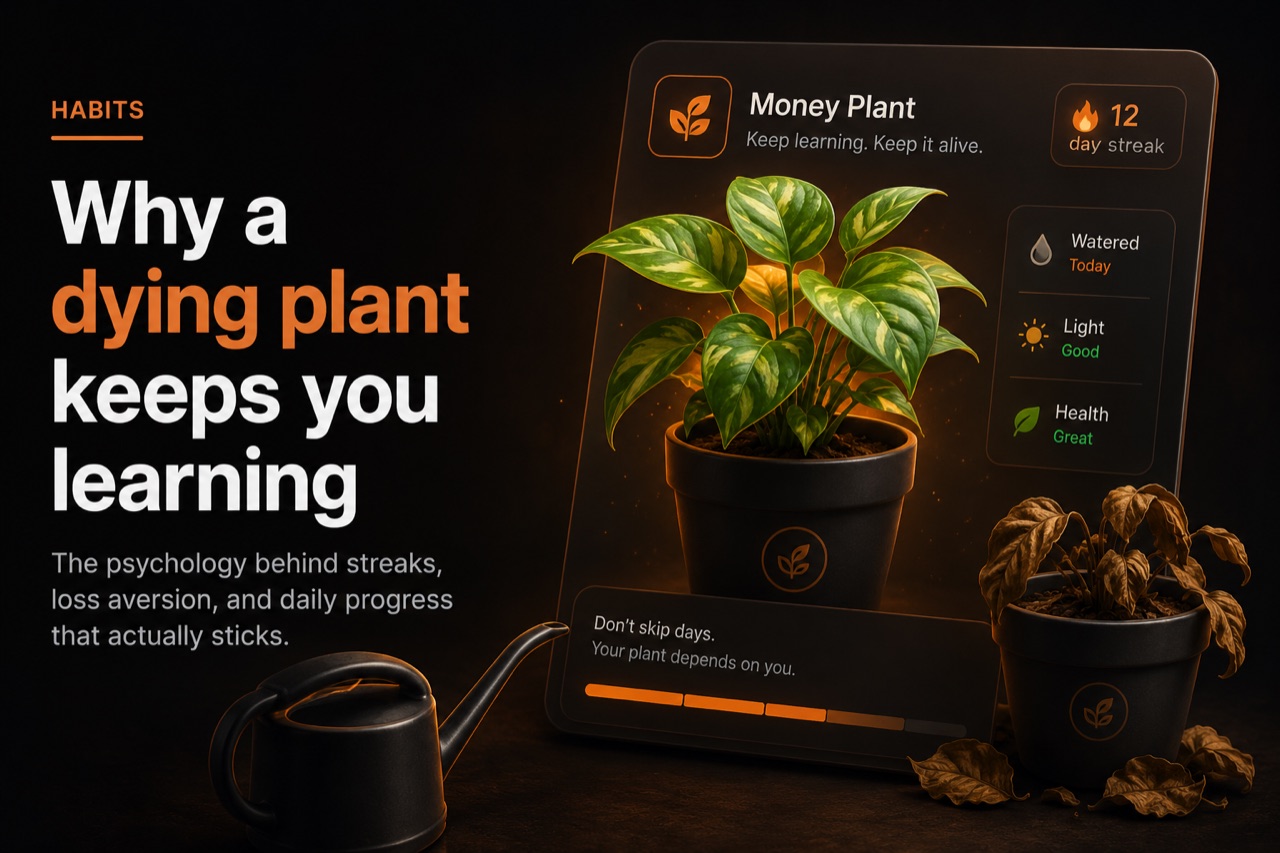
Habits
Build a Learning Habit That Actually Lasts
The alarm blares. You hit snooze, just once. Then, it’s a blur of coffee, emails, meetings, and the endless to-do list. By the time you finally sit down, the thought of tackling a 45-minute online course feels like climbing Everest. Sound familiar? Many of us start with the best intentions, eager to learn AI, machine learning, or a new coding language. But life, with its unpredictable demands, often gets in the way, leaving our learning goals gathering dust.
The Completion Crisis
It’s a common story. You sign up for a comprehensive course, perhaps on Coursera or DataCamp, excited about the potential. You might even complete the first few modules. But then, reality hits. The 45-minute video lessons stretch into an hour. The exercises require focused, uninterrupted time you rarely have. Before you know it, you’ve completed maybe 10% of the course, and the initial motivation has evaporated. This isn't a personal failing; it's a systemic issue with how many online learning platforms are designed.
We’re told to 'commit' to hours of study, but our actual days don't have those neat, empty blocks of time. We end up with a backlog of unfinished courses, a growing sense of guilt, and the feeling that we’re just not cut out for this kind of learning. It’s frustrating to invest time and money only to see little progress.
Why Traditional Courses Often Fail
Think about it. Most online courses are structured like their traditional, in-person counterparts. They assume you have dedicated hours to sit at a desk, absorb dense material, and complete lengthy assignments. This model worked when learning was confined to classrooms or libraries, but it clashes with the reality of modern, mobile-first lives.
Platforms like Coursera offer depth and university-level content, which is valuable. DataCamp excels at in-browser data skills, perfect for those who spend their day at a keyboard. Brilliant offers fantastic gamified STEM learning. However, they often require a significant time commitment that’s hard to maintain. They don’t always account for the fact that you might be learning during your commute, on a short break, or while juggling other responsibilities.
The biggest obstacle to learning is not a lack of information, but a lack of time and consistency.
This is where the concept of 'micro-learning' and habit-building becomes crucial. Instead of aiming for marathon study sessions, we need to embrace the power of short, consistent efforts.
The Power of the Five-Minute Lesson
What if you could learn something new and valuable every single day, without needing to block out large chunks of time? This is the core idea behind AI Ed. Our approach is built on the principle that five minutes is a realistic, achievable commitment for almost anyone, no matter how busy.
Five-minute lessons are designed to fit into the small gaps in your day. Waiting for your coffee to brew? Five minutes. Commuting on the train? Five minutes. Taking a short break between meetings? Five minutes. This makes learning feel less like a chore and more like a natural part of your routine.
This isn't about sacrificing depth for brevity. It's about breaking down complex topics into digestible, bite-sized pieces. Each lesson focuses on a specific concept, skill, or tool, allowing you to build knowledge incrementally. You can learn about large language models, the basics of machine learning, or how to use Claude Code, all in manageable increments.
Making It Stick: Gamification and Accountability
Even with short lessons, consistency is key. This is where habits and accountability come in. AI Ed incorporates elements of gamification to make the learning process engaging and rewarding.
The Growing Plant: Remember those Tamagotchi pets? AI Ed uses a similar concept with a growing plant. Your plant thrives when you learn daily and wilts when you skip a day. This visual representation of your progress provides immediate feedback and a gentle nudge to stay on track. It turns the abstract concept of 'consistency' into something tangible and motivating.
Streaks: Maintaining a learning streak is a powerful motivator. Seeing that number climb day after day encourages you to keep going. It taps into our natural desire to complete challenges and achieve goals. When you’re just five minutes away from maintaining your streak, that short commitment feels much more manageable.
Certificates: While the daily habit and visible progress are primary motivators, earning certificates provides a sense of accomplishment and a verifiable record of your learning. These can be valuable for personal growth or even career development.
These gamified elements transform learning from a potentially lonely and arduous task into an enjoyable, rewarding experience. They provide the structure and accountability that many learners need to overcome procrastination and inertia.
Building Your AI Learning Habit
So, how can you apply these principles to build a learning habit that survives a busy week?
- Start Small: Don’t aim for an hour a day. Commit to just five minutes. Find a topic you’re genuinely interested in, whether it's AI, machine learning, or a specific coding language.
- Schedule It: Treat your five-minute learning session like any other important appointment. Block it out in your calendar or link it to an existing daily habit (e.g., right after your morning coffee).
- Make it Visible: Use tools that provide visual feedback. Whether it’s a growing plant, a streak counter, or a physical habit tracker, seeing your progress makes it more real.
- Be Forgiving: Missed a day? It happens. Don’t let one missed session derail your entire effort. Acknowledge it, and get back on track the next day. The key is to minimize the breaks, not eliminate them entirely.
- Focus on Completion: Celebrate small wins. Finishing a five-minute lesson is a win. Maintaining a streak is a win. Earning a certificate is a win. These small victories build momentum.
Learning new skills, especially in rapidly evolving fields like AI, is more important than ever. But the traditional approach often sets us up for failure. By embracing micro-learning and habit-building strategies, you can create a sustainable learning journey that fits your life, not the other way around.
AI Ed offers five-minute daily lessons, a visual plant streak to keep you motivated, and certificates to mark your achievements, making it easier than ever to build a consistent AI learning habit.