 AI Ed
AI Ed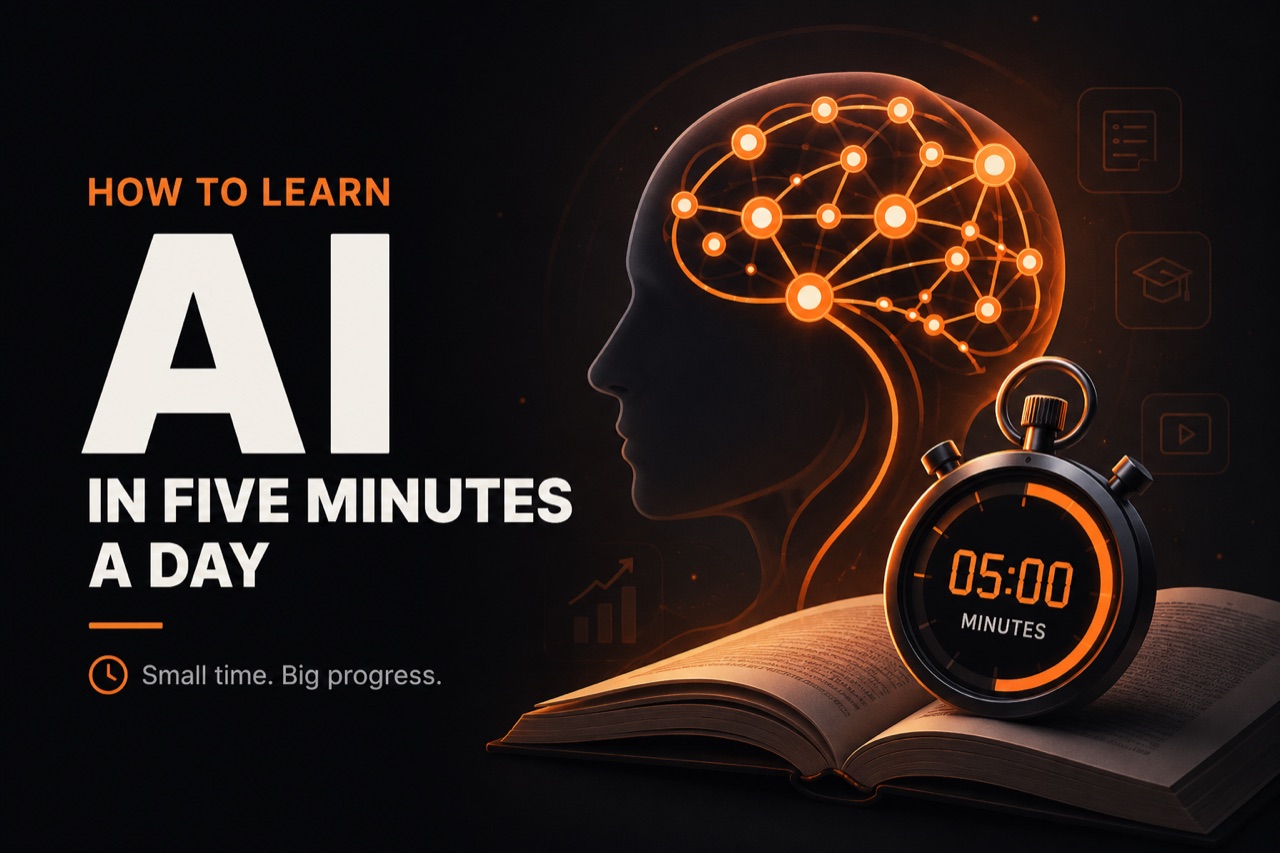
Learning
Coursera vs. AI Ed: Desktop Courses Versus a Daily Mobile Habit
Remember that surge of motivation? The one you felt clicking 'enroll' on a promising AI or machine learning course. You envisioned mastering new skills, adding impressive lines to your resume, maybe even pivoting your career. For the first few days, you were on fire, dedicating hours to video lectures and coding exercises. Then, a busy week at work, a family commitment, or just plain mental fatigue crept in. Suddenly, your dedicated study time vanished, and that exciting course became another tab you rarely opened.
This scenario is incredibly common, and it highlights a fundamental challenge in online education: how do we bridge the gap between initial enthusiasm and sustained progress? Platforms like Coursera have democratized access to world-class education, offering in-depth content from top universities. But their model isn't built for everyone's schedule, leading many learners to seek alternatives.
The Power and Pitfalls of Traditional Online Courses
Coursera, a leader in the online learning space, offers an impressive catalog. You can find specializations from institutions like Stanford and Google, covering everything from Python programming to advanced deep learning. These courses often feature extensive video lectures, peer-graded assignments, quizzes, and capstone projects. For many, they represent a significant step up from casual tutorials, providing a structured, university-level learning experience.
Strengths of the Coursera Model:
- Depth and Breadth: Many courses offer a comprehensive dive into complex topics, often equivalent to a college semester.
- University & Industry Partnerships: Access to content developed by leading experts and institutions.
- Certificates and Degrees: Opportunities to earn verifiable credentials, even full online degrees.
- Community Forums: A place to connect with fellow learners and instructors.
However, this depth comes with a significant time commitment. A typical Coursera course might recommend 5-10 hours of study per week, spread over 4-8 weeks. This structure often requires dedicated desktop time, a quiet environment, and a consistent schedule. For many motivated individuals, these requirements become a barrier.
"The average completion rate for MOOCs hovers around 5-15%."
Studies consistently show low completion rates for massive open online courses (MOOCs). For instance, research from institutions like MIT has highlighted that while enrollment is high, the percentage of learners who finish these courses is often in the single digits. This isn't a flaw in the content itself, but rather a mismatch between the course design and the realities of modern adult life. Many people simply cannot carve out 45-minute blocks multiple times a week for a desktop-bound learning experience.
You can read more about MOOC completion challenges in articles like this one from MIT News.
AI Ed: Building Knowledge Through Daily Habits
What if learning AI and machine learning didn't feel like another part-time job? What if it could fit into the small pockets of time you already have?
This is where AI Ed offers a different path. Our core philosophy is built around the idea that consistent, small efforts lead to significant long-term gains. AI Ed provides five-minute lessons that fit a real day, not 45-minute desktop courses you abandon. We focus specifically on AI, machine learning, and Claude Code, breaking down complex topics into digestible, mobile-first segments.
How AI Ed Changes the Game:
- Micro-Lessons: Each lesson is designed to be completed in about five minutes. This means you can learn during your commute, while waiting for coffee, or during a quick break.
- Mobile-First Design: The app is built for your phone, ensuring a smooth, engaging experience without needing a laptop or desktop.
- Visible Progress & Gamification: We understand the importance of seeing your progress. Our unique plant streak feature grows when you learn and wilts when you skip, providing a tangible, visual cue for accountability. You also earn certificates as you complete modules.
- Focused Curriculum: By narrowing our scope to AI, ML, and Claude Code, we can deliver high-quality, relevant content without overwhelming learners.
- Accountability and Structure: The daily lesson structure provides the routine many time-poor learners crave, without the pressure of lengthy assignments.
AI Ed is designed for motivated but time-poor individuals who have been burned by 5-15% completion courses. If you want structure, accountability, and visible progress, not another 20-hour video backlog, AI Ed offers a compelling alternative.
Choosing Your Learning Path
Neither approach is inherently "better" than the other; they simply serve different needs and learning styles.
- If you have several dedicated hours per week, prefer in-depth academic content, and are comfortable with a desktop-centric learning environment, platforms like Coursera can offer a rich, comprehensive education. They excel at providing the deep dives and extensive projects that can truly transform a skill set.
- If you struggle to maintain long study sessions, need flexibility, prefer learning on the go, and thrive on visible, consistent progress, AI Ed is built for you. Our goal is to make learning AI and machine learning a sustainable daily habit, ensuring you actually finish what you start and build real knowledge over time.
The key is to choose a learning environment that aligns with your real life, not just your aspirations. The best course is the one you actually complete.
Start your AI learning journey today with five-minute daily lessons, a plant streak that grows with your knowledge, and earn certificates as you progress with AI Ed.